



Choosing High MPG Vehicles
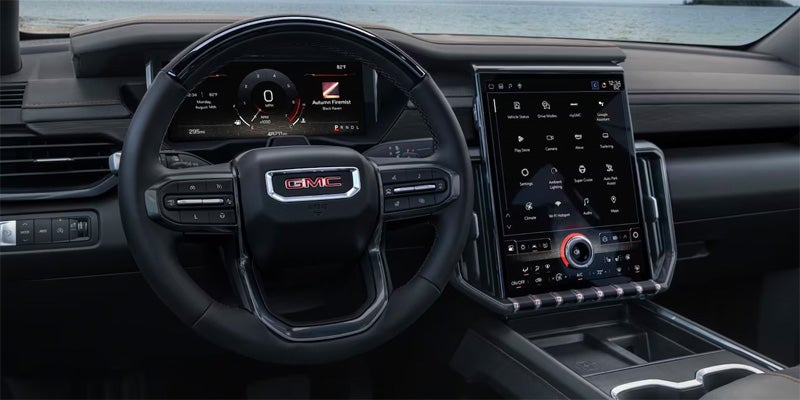
Choosing High-MPG Buick/GMC Vehicles in Olathe
For many Olathe drivers, fuel efficiency is more than a buzzword; it's a practical consideration that directly affects everyday commuting, weekend outings, and overall travel budgets. With rising fuel prices and growing environmental awareness, selecting a high-MPG vehicle has never been more important. However, understanding the factors that influence fuel efficiency and finding a vehicle that fits your needs can be challenging. Here’s a comprehensive guide tailored for Olathe buyers to assist you in choosing a high-MPG vehicle that balances performance, economy, and lifestyle needs.
Choosing High-MPG Buick/GMC Vehicles in Olathe
Fuel efficiency is influenced by several factors, many of which depend on your vehicle choice and driving habits. Here’s what you need to know:It's no surprise that larger engines, with their increased displacement, generally consume more fuel. They require more energy to generate power, leading to higher fuel consumption. The size and type of the engine significantly impact fuel efficiency. Smaller engines, especially those with turbocharging, can deliver impressive MPG ratings while maintaining good performance. For instance, Buick and GMC offer several turbocharged engines that provide ample power without compromising fuel economy. Hybrid and electric powertrains are also worth considering for drivers seeking exceptional MPG or MPGe (miles per gallon equivalent).
How efficiently your engine burns fuel directly impacts fuel economy. Modern engines employ technologies like direct injection, which precisely delivers fuel directly into the cylinders. This minimizes wasted fuel and maximizes the energy extracted from each drop of gasoline. Friction within the engine is an enemy of efficiency. Manufacturers utilize advanced lubricants, low-friction materials, and optimized designs to minimize internal friction, allowing the engine to operate more smoothly and efficiently.
The transmission acts as a bridge between the engine and the wheels, translating engine power into usable torque for driving. Here's how transmission technology influences fuel economy:A transmission with a wider range of gears allows for a more precise match between engine RPM and vehicle speed. At highway speeds, the transmission can shift into a higher gear, reducing engine revs and minimizing fuel consumption. Conversely, a transmission with fewer gears might struggle to maintain optimal engine RPM in various driving conditions, leading to decreased efficiency. Friction lost within the transmission itself can also impact fuel economy. Modern transmissions utilize advanced designs and materials to minimize internal friction, ensuring smooth power transfer and optimal efficiency. The automatic Engine Stop-Start feature is becoming increasingly common, shuts down the engine during brief stops, such as at red lights. While it might take some getting used to, it can significantly improve fuel economy in city driving scenarios where frequent idling occurs.
A car's weight plays a crucial role in fuel efficiency. Here's why:Heavier vehicles typically consume more fuel than lighter ones, even if they have similar engine sizes. While SUVs and trucks are often heavier due to their size and cargo capacity, modern materials like aluminum and lightweight steel help reduce weight without sacrificing durability. Consider a crossover SUV like the Buick Encore GX or the GMC Terrain, which offers a spacious interior while keeping weight—and fuel consumption—in check.
The shape and design of a vehicle also affects its aerodynamics, which, in turn, influences fuel efficiency. Vehicles with streamlined designs experience less air resistance, improving their MPG, particularly at highway speeds. Look for features like active grille shutters and rear spoilers that enhance aerodynamics.
Your Habits Impact Mileage
Believe it or not, your driving habits significantly influence fuel efficiency:Aggressive Driving: Rapid acceleration, harsh braking, and excessive speeding all contribute to lower fuel economy. These actions force the engine to work harder, consuming more fuel in the process.
Maintaining Speed: Maintaining a consistent speed, especially on highways, allows the engine to operate at its most efficient RPM. Frequent acceleration and deceleration disrupt this efficiency, leading to higher fuel consumption.
Proper Tire Maintenance: Underinflated tires increase rolling resistance, requiring more energy to move the vehicle. Regularly checking and maintaining proper tire pressure ensures optimal fuel economy.
Avoiding Idling: Leaving your car idling unnecessarily wastes fuel. Whenever possible, turn off the engine during short stops.
Environmental Conditions
External factors beyond your control can also influence fuel efficiency:Weather: Extreme cold weather can impact fuel efficiency as the engine works harder to reach operating temperature. Additionally, air conditioning use in hot weather can also slightly decrease fuel economy.
Terrain: Hill climbing and stop-and-go city traffic generally lead to lower fuel economy compared to flat highway driving.
Understanding the Bigger Picture: Fuel Economy Ratings and Your Needs
Car manufacturers are required by law to display fuel economy ratings for each model. These ratings, provided by the EPA (Environmental Protection Agency)
Buick and GMC offer a range of models known for their impressive MPG ratings, making them compelling choices for eco-conscious drivers. Here are some valuable tips to help you find the perfect high-MPG Buick or GMC for your needs:
-
Understanding Engine Options:
Smaller Engines, Big Efficiency:
Buick and GMC often utilize smaller, turbocharged engines in their high-MPG vehicles. These engines, typically 1.2L to 2.0L in size, leverage turbocharging technology to deliver good power while minimizing fuel consumption. Turbochargers force more air into the engine, allowing for efficient power generation without needing a larger displacement engine.
Focus on Fuel Delivery:Look for features like direct injection in the engine specifications. This technology ensures precise fuel delivery to the cylinders, minimizing waste and maximizing efficiency.
-
Transmission Technology Matters:
Smooth Shifting for Seamless Efficiency:
A well-matched automatic transmission is crucial for maximizing MPG. Look for models equipped with transmissions that offer a wider range of gears. This allows the engine to operate at its most efficient RPM in various driving conditions. For example, at highway speeds, the transmission can shift into a higher gear, reducing engine revs and minimizing fuel consumption.
Consider Automatic Engine Stop-Start:This feature, if available, can further enhance fuel economy by automatically shutting down the engine during brief stops, such as at red lights. While it might take some getting used to, it can significantly improve fuel efficiency in city driving scenarios.
-
Lightweight Design Plays a Role:
Buick and GMC prioritize the use of lightweight materials in their high-MPG models. This can include a combination of high-strength steel and advanced composites. By reducing the overall weight of the vehicle, less energy is required for acceleration and movement, resulting in improved fuel economy.
-
Aerodynamics Can Make a Difference:
While aesthetics are important, the design of a high-MPG Buick or GMC also considers aerodynamics. Look for features like a sloping roofline and strategically placed body panels. These elements help reduce wind resistance, allowing the vehicle to cut through the air more efficiently and minimize energy wasted on overcoming drag.
-
Consider Your Driving Habits:
City vs. Highway: If your commute is primarily stop-and-go city driving, prioritize models with excellent city MPG ratings. Look for features like automatic engine stop-start, which can be particularly beneficial in these scenarios.
Highway Cruiser: If you spend most of your time on highways, prioritize models with good highway MPG ratings. Features like a well-matched transmission and aerodynamic design become more important for these driving conditions.
-
Leverage Online Resources:
Both Buick and GMC websites offer fuel economy information for each model. Additionally, the EPA (Environmental Protection Agency) website provides a wealth of information on fuel efficiency ratings for all car manufacturers and models. Utilize these resources to compare different options and find the one that best suits your needs.
-
Don't Neglect Test Drives:
Once you've narrowed down your choices, schedule test drives for the high-MPG Buick or GMC models that pique your interest. Experience the vehicle firsthand and assess factors like comfort, handling, and overall driving experience. While fuel efficiency is a top priority, it shouldn't come at the expense of a car you enjoy driving.
-
Beyond MPG: Consider Total Cost of Ownership:
While fuel efficiency is a key factor, remember that total cost of ownership goes beyond gas mileage. Look for models known for their reliability, which can translate to lower maintenance costs in the long run. Additionally, consider resale value – high-MPG vehicles often retain their value better due to their fuel-efficient nature.
By following these tips and conducting thorough research, you can confidently select a high-MPG Buick or GMC that perfectly complements your driving needs and budget. Remember, choosing a fuel-efficient vehicle is not just a financial decision; it's a step towards a more sustainable future.
Top High-MPG Buick and GMC Models for Olathe Buyers:
With these factors in mind, let's explore some of the best high-MPG vehicles available at Robert Brogden's Olathe Buick GMC.-
Buick Encore GX (Compact Crossover SUV):
- Engine Options: 1.2-liter turbocharged or 1.3-liter turbocharged
- EPA-Estimated MPG: Up to 30 city / 32 highway
- Key Features: Compact yet spacious, with flexible seating and advanced safety features.
-
Buick Envision (Mid-Size Crossover SUV):
- Engine Options: 2.0-liter turbocharged
- EPA-Estimated MPG: Up to 24 city / 31 highway
- Key Features: Luxurious interior, quiet cabin, and a sleek exterior design.
-
GMC Terrain (Compact Crossover SUV):
- Engine Options: 1.5-liter turbocharged
- EPA-Estimated MPG: Up to 25 city / 30 highway
- Key Features: Spacious interior, advanced infotainment system, and a smooth ride.
-
GMC Acadia (Mid-Size Crossover SUV):
- Engine Options: 2.0-liter turbocharged or 3.6-liter V6
- EPA-Estimated MPG: Up to 22 city / 29 highway
- Key Features: Flexible seating for up to seven passengers and ample cargo space.
-
GMC Sierra 1500 (Full-Size Pickup Truck):
- Engine Options: 3.0-liter Duramax turbo-diesel or 2.7-liter turbocharged gas
- EPA-Estimated MPG: Up to 23 city / 30 highway (diesel engine)
- Key Features: Best-in-class diesel MPG, impressive towing capacity, and versatile bed options.
Pro-Tips on Driving Habits for Maximum MPG
Mastering the Art of Efficiency: Driving Habits for Maximum MPG
Soaring gas prices have made fuel efficiency a top priority for drivers everywhere. But fuel economy isn't just about the car you drive; it's also heavily influenced by how you drive it. By adopting a fuel-conscious approach behind the wheel, you can significantly increase your miles per gallon (MPG), saving money and reducing your environmental impact.
Think of yourself as an orchestra conductor, leading your car in a harmonious symphony of efficiency. Every driving decision becomes a note in the composition, influencing the overall fuel consumption. Here's a detailed exploration of driving habits that can transform you into a fuel-efficiency maestro:
The Art of Anticipation: Smoothing Out Your JourneyTraffic conditions are rarely static. Develop the ability to anticipate upcoming situations, like a red light ahead, slowing traffic, or a merging lane. This foresight allows you to adjust your speed gradually through coasting and gentle braking, avoiding the fuel-wasting stop-and-go routine. Master the art of coasting. When you see a red light in the distance or slowing traffic, ease off the gas pedal and allow the car to coast to a stop gradually. This technique utilizes the car's momentum to your advantage, minimizing fuel consumption compared to abruptly slamming on the brakes and then accelerating again.
Maintaining a steady pace is key. Frequent acceleration and deceleration disrupt the engine's efficient operation. Aim for a consistent, moderate speed whenever possible, especially on highways. This allows the engine to operate at its most efficient RPM, minimizing fuel consumption.
Become a Braking Virtuoso: Avoid Harsh ManeuversAggressive braking is the enemy of fuel efficiency. It forces the engine to work harder to regain lost speed, consuming more fuel in the process. Instead, practice smooth and gentle braking whenever possible. Anticipate situations that require braking and ease off the gas pedal gradually, allowing the car's natural deceleration to slow you down.
Engine braking, particularly relevant for cars with manual transmissions, involves downshifting the gear to utilize engine resistance for slowing down. This can be helpful when approaching a red light or a downhill section. However, it's important to consult your car's owner's manual for guidance on proper engine braking techniques, as it might not be as effective in automatic transmissions and can be less fuel-efficient in certain situations. Minimize idling. Leaving your car idling unnecessarily wastes precious fuel. When possible, turn off the engine during short stops, such as at traffic lights or while waiting for someone. Modern cars with automatic stop-start features can be particularly helpful in minimizing idling time.
Become a Weight-Conscious Driver: Lighten Your LoadExcess weight in your car translates to more energy required to move it. Take some time to declutter your trunk and remove unnecessary items you might be carrying around. Every kilogram counts when it comes to fuel efficiency. Travel light whenever possible. Plan your trips and avoid carrying unnecessary passengers or cargo. Less weight translates to less fuel consumption, especially during acceleration. Roof racks and cargo carriers can significantly increase wind resistance, impacting fuel efficiency. If you don't need them, remove them to maintain optimal aerodynamics. When using them, ensure they are properly secured and streamlined to minimize drag.
Become a Tire Maestro: Maintaining Optimal PerformanceMaintain proper tire pressure. Underinflated tires increase rolling resistance, requiring more energy to move the vehicle. Regularly check your tire pressure (including the spare) and inflate them to the manufacturer's recommended level. This not only improves fuel efficiency but also extends tire life and enhances overall safety.
Consider investing in fuel-efficient tires. These tires are engineered to minimize friction between the tire and the road, leading to improved fuel economy.
Get your car's wheel alignment checked and adjusted regularly. Wheel misalignment can cause unnecessary tire wear and rolling resistance. Proper alignment ensures smooth rolling and optimal fuel efficiency.
Become a Route Planner: Mastering the JourneyPlan your trips efficiently. Consolidate errands and trips into one outing whenever possible. This minimizes the number of cold starts, which can be particularly fuel-inefficient. Additionally, utilize navigation apps to find the most efficient routes that avoid congestion and unnecessary stop-and-go situations. Avoid peak traffic periods. Traffic congestion leads to frequent braking and acceleration, significantly impacting fuel economy. Whenever possible, try to avoid peak traffic hours by shifting your travel times. Early mornings or evenings might offer smoother traffic flow and better fuel efficiency.
By adopting these fuel-conscious driving habits, you can transform yourself into a fuel-efficiency maestro. Remember, every little bit
Find Your Perfect High-MPG Buick or GMC at Robert Brogden's Olathe Buick GMC
Finding the right high-MPG vehicle for your needs requires a blend of understanding your lifestyle and the various factors that influence fuel efficiency. Whether you're commuting daily on I-35 or planning weekend trips to Lake Olathe, Robert Brogden's Olathe Buick GMC has a selection of Buick and GMC models designed to meet your fuel efficiency needs without sacrificing performance or style. By considering engine options, vehicle weight, aerodynamics, and your driving habits, you can make a well-informed decision that aligns with your budget and environmental values.
At Robert Brogden's Olathe Buick GMC, we understand the importance of fuel efficiency for Olathe drivers seeking to balance performance, economy, and lifestyle needs. Our extensive selection of high-MPG vehicles ensures you find the right model that meets your driving habits and budget. Learn more about the Importance of MPG for Car Buyers in Olathe to see how choosing a fuel-efficient vehicle can impact your fuel expenses and environmental footprint. If you're curious about which models excel in fuel efficiency, explore the Top MPG Buick and GMC Models in Olathe to discover the perfect blend of performance and economy. For a comprehensive guide on how MPG influences your driving experience, check out Olathe’s Guide to Understanding MPG for Buick/GMC, where you'll find valuable insights into finding your next fuel-efficient Buick or GMC. At Robert Brogden's, we're committed to helping you find the vehicle that fits your Olathe lifestyle perfectly.
Visit us today to explore our range of fuel-efficient vehicles and find the perfect model for your Olathe lifestyle.
Sales Hours
| Monday | 8:30AM - 8:00PM |
| Tuesday | 8:30AM - 8:00PM |
| Wednesday | 8:30AM - 8:00PM |
| Thursday | 8:30AM - 8:00PM |
| Friday | 8:30AM - 6:00PM |
| Saturday | 8:30AM - 6:00PM |
| Sunday | Closed |