



New Vehicle Maintenance Tips in Olathe, KS
Keep Your Vehicle Running Smoothly
Maintaining Your New Car:
A Comprehensive Guide to Ensuring Longevity and Performance
So, you’ve just rolled out of the dealership with a brand-new car, the embodiment of your dreams. The smell of fresh leather, the untouched dashboard, and the purr of a virgin engine - it's exhilarating! But with great cars come great responsibilities. A new car might not show signs of wear immediately, but consistent maintenance is crucial to ensure it remains in pristine condition. Here’s a comprehensive guide to help you keep your new automobile humming smoothly for years to come.
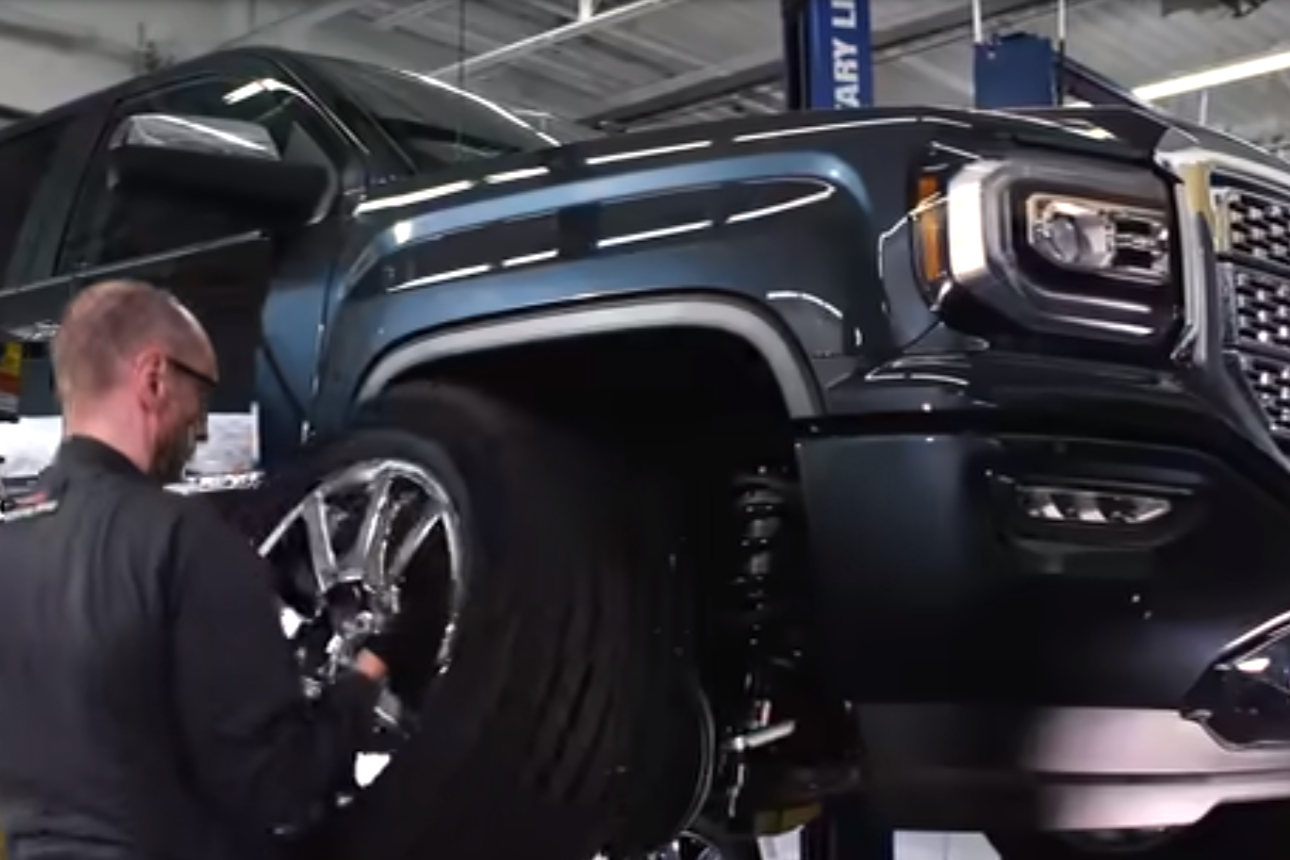
Understand Your Vehicle’s Maintenance Schedule
Every new car comes with an owner’s manual, often tucked away in the glove box. This manual is your new best friend. Within its pages, you’ll find the manufacturer’s recommended maintenance schedule which outlines when to change the oil, replace filters, check the brakes, and more. Adhering to this schedule is essential.
Regular Oil Changes: The Lifeline of Your Engine
The lifeblood of your car, engine oil serves a myriad of purposes. Not only does it lubricate moving parts to reduce wear and tear, but it also acts as a coolant for engine components and assists in preventing buildup. As engine oil ages, it can become contaminated and lose its efficacy. Skipping an oil change can lead to increased friction, heat, and can significantly wear down engine components.
In yesteryears, the 3,000-mile mark was the golden standard for oil changes. However, the advent of synthetic oils and advancements in engine designs mean many of today's vehicles can comfortably travel between 5,000 to 7,500 miles before needing an oil change. It’s paramount to refer to your vehicle’s owner manual since oil change intervals can vary based on the model, driving conditions, and oil type.
Tire Maintenance: Ensuring Optimal Contact with the Road
Imagine wearing a pair of shoes daily, through mud, rain, and rough terrains. Over time, they’d wear out, right? Your tires experience something similar but on a grander scale. Proper tire maintenance isn’t just about safety; it's also about performance, fuel efficiency, and optimizing the lifespan of the tires.
Consistently checking for proper inflation is a simple yet crucial task. Over-inflated tires can reduce their traction, leading to a rougher ride, while under-inflated tires can wear out more quickly and reduce fuel efficiency. Moreover, uneven tire wear might indicate issues with alignment or the need for rotation. It’s not just about longevity but ensuring a safer and smoother driving experience.
Breathe Clean with Clean Air Filters
Think of the air filter as your car’s lungs. Positioned to block impurities like dust, leaves, and debris, a clean air filter ensures your engine gets pure, unadulterated air. Over time, these impurities accumulate, making it harder for the engine to 'breathe', leading to reduced efficiency and performance.
While the general recommendation is an annual replacement or every 12,000 miles, if you frequently drive in dusty or polluted environments, your filter might need more regular attention. Keeping it clean ensures optimal fuel combustion, a necessary factor for maintaining engine health and performance.
Fluids: The Unsung Heroes of Vehicle Maintenance
Fluids in a vehicle might not get the spotlight they deserve, but they play pivotal roles in ensuring various components of your car work seamlessly. Each fluid has its distinct role:
- Coolant: A mix of water and antifreeze, coolant absorbs engine heat and dissipates it through the radiator. Without it, engines would overheat, leading to significant damage.
- Power steering fluid: This ensures that steering is not just smooth but requires minimal effort, providing a seamless driving experience.
- Brake fluid: It transmits the force of a driver pressing the brake pedal to the brakes themselves. Over time, brake fluid can absorb moisture, reducing its efficacy.
- Transmission fluid: This serves as a lubricant for the complex sets of gears and bearings in the transmission system, ensuring smooth gear shifts.
- Windshield washer fluid: While it might seem trivial, clear vision is paramount to safety. This fluid ensures your windshield remains clear of debris, bugs, and dirt.
Routine checks can help you gauge fluid levels, but remember, quality matters as much as quantity. Ensure you top up or replace with high-grade fluids as recommended by your vehicle manufacturer.
Brakes: Your First Line of Defense
When it comes to safety, brakes are one of the most crucial components of your vehicle. Efficient braking doesn’t just ensure your safety but also of everyone on the road. Squealing, grinding, or a mushy brake pedal are often the initial signs that there’s a problem.
It’s vital to address these indicators promptly, as delays can escalate costs and compromise safety. While brake pads undergo wear and tear and necessitate periodic replacement, a brake system that's consistently inspected and maintained can have a prolonged lifespan, ensuring that the moments you need them most, they won't fail you.
A Clean Car is a Happy Car
While a gleaming car undoubtedly adds to your vehicle’s aesthetic appeal, cleanliness is not just superficial.
Dirt, bird droppings, tree sap, and other contaminants can erode the car’s paint over time. And if you reside in colder regions, winter brings its challenges – the salt used on roads can latch onto your car and lead to corrosion. By regularly washing your car and occasionally treating it to a wax session, you not only preserve its sheen but also protect the exterior from premature wear and tear.
Battery Maintenance: Powering Your Journeys
Your car might have a powerful engine, but without a healthy battery, it's going nowhere. This silent workhorse powers everything electrical, from starting your car to your entertainment system. Regular inspections can prevent unexpected failures.
Check for any corrosion on the terminals, ensure that connections are secure, and the battery is firmly mounted.
While most contemporary batteries are maintenance-free, it’s a good practice to consider a replacement every 3-5 years to keep your journeys uninterrupted.
Crystal Clear Vision: Windshield Wiper Maintenance
Driving with a smeared windshield is not just an annoyance; it's a safety hazard. Windshield wipers, exposed to external elements, deteriorate over time.
Sun, rain, and snow all contribute to the wear and tear of the rubber blade.
If your wipers leave streaks or make chattering sounds, it's time for a replacement. For best results and to ensure you always have a clear line of sight, consider changing your wiper blades every 6-12 months.
Heeding Your Car’s Warnings
Our cars are smarter than ever. With a plethora of sensors and systems monitoring every facet of the vehicle, any anomaly is promptly communicated via your dashboard.
These warning lights aren’t just for show. If an indicator lights up, it's imperative to address it sooner rather than later.
From the urgency of a check engine light to the simplicity of a tire pressure warning, these alerts are your vehicle’s way of communicating its health. Regularly servicing your vehicle and addressing these warnings ensures your car remains in peak condition, ready for the road ahead.
Key Takeaways of the Service Needed in Your New Car
Regular maintenance not only keeps your car in top condition but also ensures safety and reliability on the road. Always consult your vehicle's owner manual for specific maintenance intervals and recommendations.
- Oil Change: Ensures engine runs smoothly, reducing wear and improving fuel efficiency.
- Tire Rotation and Balance: Prevents uneven tire wear, providing a smoother ride and better tire longevity.
- Brake Inspection and Service: Ensures effective braking, improving safety especially in emergency situations.
- Fluid Checks (coolant, brake, transmission, etc.): Prevents overheating and ensures key systems operate efficiently.
- Air Filter Replacement: Improves air quality inside the vehicle and enhances engine performance.
- Wheel Alignment: Offers better vehicle handling and prevents uneven tire wear.
- Battery Check: Prevents unexpected breakdowns and ensures reliable starts.
- Spark Plug Replacement: Provides optimal fuel economy and ensures smooth engine operation.
- Belts and Hoses Inspection: Prevents sudden breakdowns by identifying worn-out parts before they fail.
- Transmission Service: Maintains smooth gear shifts and prolongs transmission life.
Maintaining a new car might seem like an arduous task, but in reality, it’s about building habits. The more diligent you are in the early stages of your vehicle's life, the longer and more efficiently it'll serve you. Plus, regular maintenance can detect minor issues before they become expensive problems.
Driving a new car is a joy, and with the right care, that joy can last for a decade or more. Treat your vehicle with the respect it deserves, and it will reward you with reliability, performance, and the continued thrill of the open road. Safe driving!